|
Dry White Wine
What are Dry White Wines?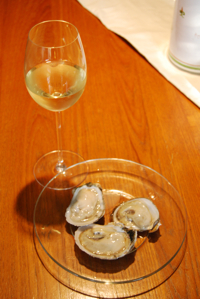 Dry white wine is wine made from white grapes which do not have any residual sugar, meaning they were fermented to dryness. Like other dry wines, all the sugar has been converted completely to alcohol. Dry white wine is wine made from white grapes which do not have any residual sugar, meaning they were fermented to dryness. Like other dry wines, all the sugar has been converted completely to alcohol.Most basic white table wines are dry or very close to dry. This includes most common wines like Chardonnay, Sauvignon Blanc, Viognier, Pinot Grigio and the various wines made from these grapes. Many white wines can be slightly off-dry, meaning they have a small amount of residual sugar but not enough to consider them a sweet or dessert wine. Examples of these sometimes come from various regions such as the Loire Valley, Alsace, Germany and Austria, from various grapes such as Chenin Blanc, Riesling and Muscat. Learn about Dry Red Wines and Rosé Wines. What Do They Taste Like and What Foods Do You Eat with Them?While dry wine may imply that there is little residual sugar, dry whites can vary considerably in their flavor and style depending on the wine region, type of grapes, and wine making techniques. Some may seem sweeter because of very ripe fruit, low acid and buttery, vanilla oak flavors. For example, some California Chardonnays may seem slightly sweet. On the other hand, wines with less ripe flavors and higher acid may feel drier. For example, French Sauvignon Blanc, Muscadet and Chardonnay tend to have a brighter, more intense flavor with brighter acidity.Like any type of wine, white wine can vary from lighter bodied to rich and full-bodied. While light, fruity wines may be great simply as an apéritif or as an accompaniment to light seafood dishes and shellfish, richer dry whites may pair beautifully with richer fish, poultry and cheeses. For more tips and ideas about pairing red wines with food, be sure to check out our Food and Wine Pairing section! Return to the Types of Wine page.  |